
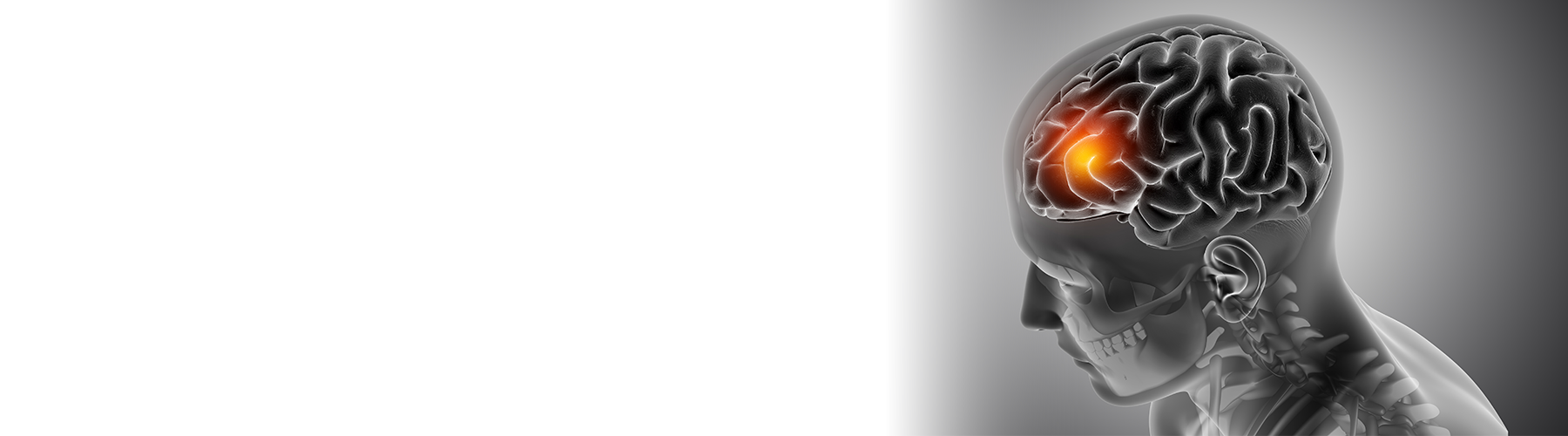

Understanding awake craniotomy
A craniotomy gives the surgeon access to the brain through an opening in the skull. The surgeon makes an incision in the scalp and removes a section of bone, which is replaced and secured with titanium plates and screws at the end.
During an awake craniotomy, the patient is awake and responsive while important brain functions are tested. This approach is used for tumours close to or involving areas that control functions such as speech or movement. Testing helps the team identify and protect these areas while removing the tumour.
Why functional testing is used
The team monitors speech, movement or other functions during the awake testing phase. Sedation, local anaesthesia or general anaesthesia may be used during other phases. The anaesthetist will explain the individual plan, including what to expect during recovery. The timing of eating, drinking and moving varies.
What happens during the procedure
- The anaesthetist inserts a drip and gives medicines to help you feel comfortable and relaxed. In theatre, a brace stabilises your head with three pins. Local anaesthetic is applied at the pin sites.
- The team uses neuronavigation to mark the planned incision. Hair is shaved along this line, the skin is cleaned, and local anaesthetic is given. The injection may briefly sting before the area becomes numb.
- Drapes are placed around the area. During awake testing, you can see and talk to the anaesthetic team and move your arms and legs. You may hear operating sounds, including brief drilling.
- Once the brain is exposed, the team carries out cortical mapping with a small electrical probe. Stimulation may briefly cause a limb or facial twitch, tingling, or a pause in speech.
- The team uses the map to identify important areas and continues testing while the tumour is removed. If function changes, the surgeon can pause.
- After removal, the surgeon controls bleeding, closes the dura, replaces the bone flap and closes the scalp. The skin may be closed with staples, followed by a dressing and often a head bandage.